
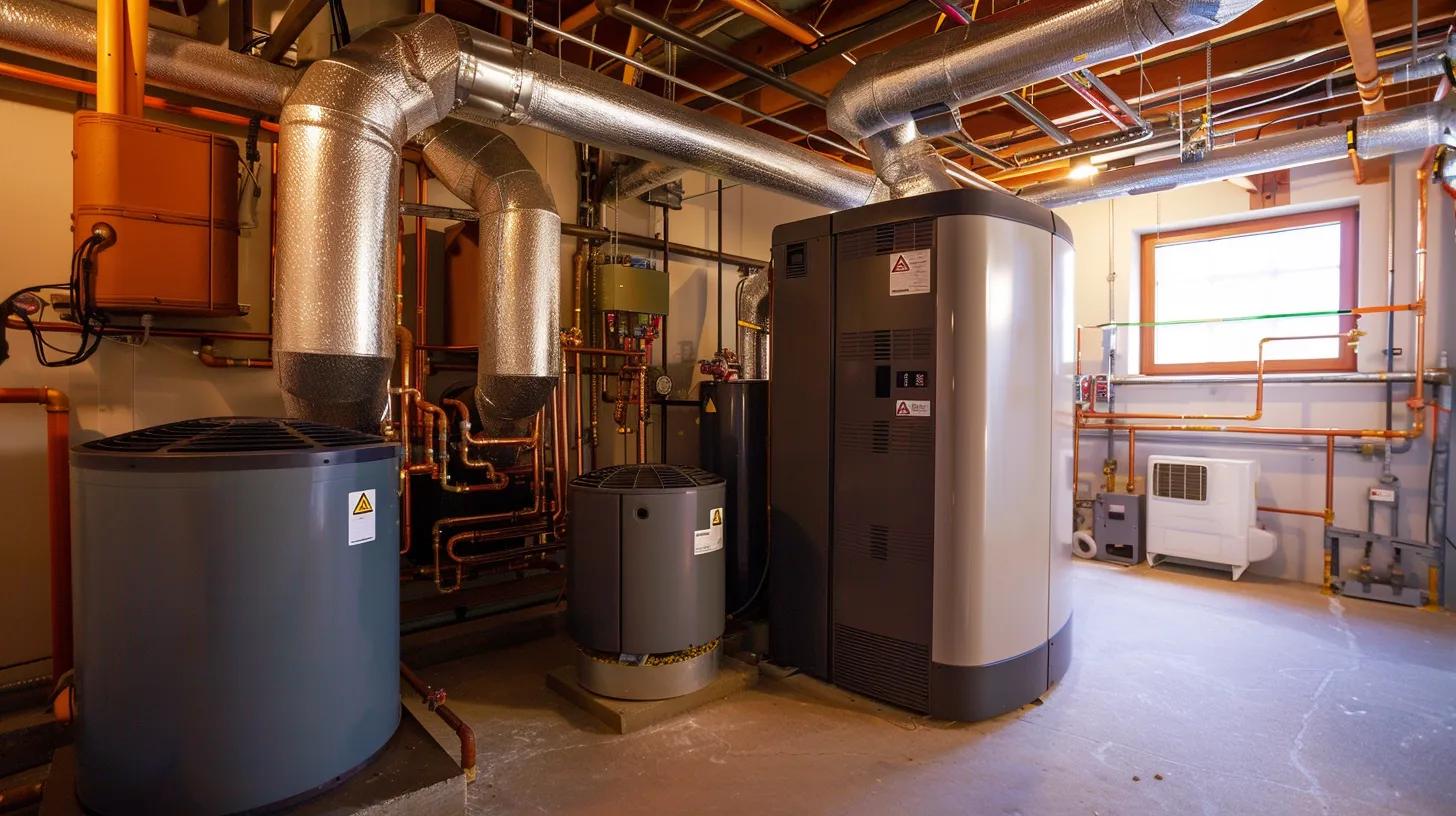
Not every unusual furnace sound or behavior signals impending failure. Many issues homeowners notice are standard operational characteristics, particularly during system startup or when outdoor temperatures remain mild. However, ongoing problems like repeated system shutdowns, climbing energy costs, or persistent burning odors often mean professional furnace repair should happen promptly.
Systems beyond 15 years displaying multiple warning indicators may require replacement instead of another repair. Heat pumps, prevalent in coastal Georgia, show different failure symptoms than traditional gas furnaces. When you’re uncertain whether your heating equipment needs professional attention, our team at AAction Air Conditioning & Heating Co. provides accurate diagnostics and helps you reach informed decisions about your home’s comfort needs. We are a reliable, local heating contractor in Savannah with training and experience in heating services.
What Is Considered Normal Furnace Behavior?
Your heating system will display certain behaviors that, while noticeable, don’t signal problems needing immediate correction. When heating season begins, you may detect a dust-burning smell from internal parts. This odor usually fades within several hours and results from accumulated dust on heat exchangers and burners. Brief on-off cycles during Savannah’s temperate winter days are standard because your system quickly reaches the thermostat setting and cycles off to maintain efficiency.
The U.S. Department of Energy states that oversized furnaces and boilers short cycle during milder weather, incurring efficiency losses from startup processes like pre- and post-purge, conditions prevalent in moderate climates like Savannah.
Mild popping or ticking from ductwork represents normal responses to temperature variations. Metal ducts expand when heated and contract during cooling. Most furnaces also generate a quick whooshing sound during burner ignition, lasting just a second or two. Your blower fan activates 30-90 seconds following ignition, giving the heat exchanger time to warm up. These operational patterns are engineered for efficiency and safety.

Common Furnace Sounds That Are Usually Harmless
Gentle clicking when your thermostat signals system activation is standard electrical relay operation. Air movement sounds through vents demonstrate proper airflow throughout your home. A short-term blower sound increase during startup simply indicates the fan accelerating to operational speed. Occasional light humming from the transformer or control board also represents normal operation.
However, loud banging, grinding, squealing, or rattling demands immediate professional assessment from a heating contractor in Savannah, as these suggest component deterioration or damage that may rapidly worsen.
Warning Signs Your Furnace May Be Close to Failing
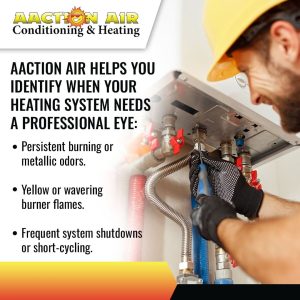
Specific symptoms clearly separate normal operation from approaching failure. Repeated shutdowns needing manual resets show safety controls are activating, frequently due to overheating or flame sensor complications. Ongoing burning or metallic odors suggest electrical complications or overheating parts demanding immediate heater repair in Savannah.
Abrupt heat output loss indicates burner complications, airflow limitations, or heat exchanger issues requiring professional furnace repair in Savannah. Climbing utility costs without increased consumption demonstrate declining efficiency.
Age combined with recurring repairs establishes a concerning pattern. Equipment requiring multiple service visits within one heating season, particularly if beyond 12-15 years old, frequently costs more to maintain than replace. Yellow or orange flames instead of a steady blue flame indicate incomplete combustion, needing immediate professional attention from a heating contractor in Savannah.
| Warning Sign | What It Means | Priority Level |
| Repeated shutdowns | Safety mechanism activating | High – Call within 24 hours |
| Ongoing burning smell | Electrical problem | Immediate – Same day service |
| Reduced heat output | Burner or airflow issue | Medium – Schedule inspection |
| Energy bills up 20%+ | Efficiency declining | Medium – Plan assessment |
| Yellow/orange flames | Combustion incomplete | Immediate – Cease use |
| Rotten egg odor | Natural gas escaping | Critical – Evacuate immediately |
When Safety Becomes a Concern
Carbon monoxide hazards make certain symptoms absolutely critical. Yellow or wavering burner flames can signal incomplete combustion and potential carbon monoxide generation. Heavy soot accumulation, persistent headaches during system operation, or carbon monoxide detector alarms require immediate system shutdown.
A fractured heat exchanger permits combustion gases to blend with household air, generating serious health hazards. Symptoms include flu-like illness improving when you leave home, excessive window condensation, or visible rust on vent pipes. Never attempt to operate a furnace displaying these symptoms. Ventilate your home immediately, then contact AAction Air Conditioning & Heating Co. We provide 24/7 emergency response because your safety cannot wait.
How Savannah’s Climate Affects Furnace Performance
Savannah’s coastal position and temperate winters generate unique challenges for heating equipment. Elevated humidity encourages internal corrosion of furnace parts, especially heat exchangers and burner assemblies. Salt-laden air accelerates this corrosion in locations nearer the coast, impacting residences in Wilmington Island, Tybee Island, and Skidaway Island more than inland communities like Pooler or Rincon.
Furnaces in Savannah frequently fail from neglect instead of overuse. Equipment sitting idle most months develops problems when moisture and salt air corrode components during extended non-use periods. Consistent furnace maintenance in Savannah addresses these climate-related issues before they trigger failures. As an experienced heating contractor, we specifically examine for moisture damage, test electrical connections for corrosion, and confirm all moving mechanisms operate freely following months of inactivity in homes throughout Garden City, Richmond Hill, and Port Wentworth.
Is It a Furnace Problem or a Heat Pump Issue?
Many Savannah residents have heat pump systems instead of traditional furnaces, or dual-fuel configurations combining both technologies. Heat pumps transfer heat rather than creating it through combustion, making them efficient for our temperate climate. However, heat pump complications often display symptoms resembling furnace problems, creating confusion about what’s actually failing.
If your equipment struggles to heat during colder periods but operates fine in moderate weather, that’s typical heat pump behavior, not failure. Heat pumps lose efficiency below 40°F and may struggle below 30°F. Problems needing heat pump repair in Savannah include refrigerant leaks, compressor failure, or reversing valve malfunctions. A heat pump stuck in cooling mode during winter or excessive frost buildup indicates heat pump-specific problems needing different diagnostic approaches than traditional furnace issues.
We service numerous residences in Georgetown, Thunderbolt, and Whitemarsh Island with dual-fuel configurations. These systems use the heat pump as primary heating and automatically switch to a gas furnace backup when temperatures drop significantly. If your equipment operates constantly during cold periods, the heat pump portion may be failing, forcing the furnace to handle all heating responsibilities. This situation may require the installation of a new outdoor unit for a heat pump rather than furnace installation, depending on which component has failed. Understanding your system type helps you describe symptoms accurately when requesting service.
When Furnace Repair Makes Sense
Repair makes economic sense for specific situations. Isolated component failures like a malfunctioning blower motor, a failed capacitor, or a defective thermostat don’t warrant replacing an otherwise operational system. Equipment under its expected service life, typically 15-18 years for gas furnaces, generally merits repair unless facing multiple simultaneous failures.
Maintenance-related issues discovered early through annual furnace maintenance in Savannah frequently need simple repairs. A contaminated flame sensor causing shutdowns, a blocked filter limiting airflow, or a pilot assembly needing cleaning represent straightforward corrections. Professional furnace repair in Savannah addresses these problems efficiently without major expense.
Well-maintained furnaces respond better to repairs. Clean components, reduced wear, and fewer corrosion issues make repairs more effective and longer-lasting, helping you maximize your equipment investment.
When Furnace Installation Becomes the Better Option
Replacement becomes practical when repair costs approach 50% of replacement cost, particularly for equipment beyond 15 years old. A straightforward guideline: if the repair cost multiplied by the system age exceeds the replacement cost, replacement usually makes better financial sense.
Efficiency decline substantially increases operating expenses. Older furnaces may operate at 60-70% efficiency compared to modern Bryant systems achieving 95%+ efficiency. For Savannah homeowners, the payback period for high-efficiency furnace installation in Savannah typically spans 7-10 years through energy savings alone.
If you notice comfort inconsistencies, some rooms are excessively warm, others too cold, your furnace may no longer distribute heat effectively. This particularly affects larger residences in Talahi Island, Bloomingdale, and The Landings. As an experienced heating contractor in Savannah, we at AAction Air Conditioning & Heating Co. consider system age, repair history, and long-term costs when advising whether replacement makes sense. As a Bryant Factory Authorized Dealer, we install quality equipment designed for our coastal climate.
How Preventive Furnace Maintenance Helps Avoid Sudden Failures
Professional maintenance addresses common failure points before they trigger breakdowns requiring emergency furnace repair in Savannah. Our technicians clean burner assemblies, test safety controls, measure gas pressure, inspect heat exchangers for cracks, and verify proper airflow. These inspections identify developing problems while they’re still minor and inexpensive to correct.
Seasonal inspections matter in Savannah’s climate because extended idle periods allow problems to develop undetected. A thorough furnace maintenance visit in Savannah identifies corrosion from salt air, checks for pest intrusions common during warm months, and ensures electrical connections remain secure despite humidity exposure.
We recommend annual maintenance before heating season starts, typically in September or October. Homeowners in Port Wentworth, Georgetown, and Thunderbolt who maintain their equipment consistently experience fewer unexpected failures. Regular maintenance also preserves manufacturer warranties, which frequently require annual professional service. Our residential service plans provide scheduled maintenance, priority response, and repair discounts.
Frequently Asked Questions
How long should a furnace last in Savannah’s climate?
Gas furnaces typically last 15-18 years in coastal Georgia, though some reach 20 years with excellent maintenance. Salt air and humidity can reduce this if the equipment isn’t properly maintained. Heat pumps generally last 12-15 years.
Can I run my furnace if it smells like burning dust?
Yes, if it only smells during the first few uses of the season and disappears within a few hours. However, if the burning smell continues or smells like burning plastic, shut down your equipment and call for heater repair in Savannah immediately.
Why does my heat pump work differently from my old furnace?
Heat pumps transfer heat rather than generate it through combustion, making them efficient but less effective in very cold weather. Below 40°F, efficiency drops substantially. Many Savannah residences have dual-fuel configurations that automatically transition to a gas furnace backup when needed.
How often should I change my furnace filter?
Change standard 1-inch filters monthly during heating season, especially in Savannah’s dusty coastal environment. Thicker 4-inch pleated filters last 3-6 months. A clogged filter is one of the most common causes of furnace problems we encounter.
What’s included in professional furnace maintenance in Savannah?
Our maintenance includes cleaning and inspecting all burners, testing safety controls, checking gas connections for leaks, measuring temperature rise, inspecting the heat exchanger for cracks, testing carbon monoxide levels, and checking all electrical connections. We document all findings and provide recommendations.
Know the Difference Before a Small Issue Becomes a Big One
Understanding normal furnace behavior versus warning signs of failure empowers you to make timely decisions about service needs. Many concerning symptoms are actually standard operations, while truly serious issues sometimes present subtly. The key lies in recognizing patterns and seeking professional evaluation when uncertainty exists.
AAction Air Conditioning & Heating Co. has served Savannah and surrounding communities since 1999. Our NATE-certified technicians understand how coastal Georgia’s climate affects heating equipment. Whether you need furnace repair in Savannah, heat pump installation, routine maintenance, or guidance about replacement options, we provide honest, professional service without pressure. Our service area includes Pooler, Garden City, Richmond Hill, Port Wentworth, Georgetown, Wilmington Island, Thunderbolt, Whitemarsh Island, Talahi Island, Tybee Island, Rincon, Bloomingdale, The Landings, Dutch Island, and Skidaway Island.
Don’t wait for complete failure on the coldest night. If you’re noticing changes in your furnace’s performance, contact us at (912) 897-2247 or james@aactionair.net to book a consultation for a professional evaluation. We’ll help you understand what’s happening with your equipment and what actions make sense for your situation. Our goal is to keep your family comfortable all winter long with services you can rely on.