
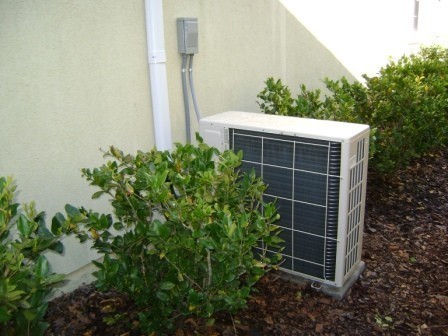
If your AC has not been professionally serviced in the past year, schedule an inspection now, before Savannah’s summer heat arrives.
Summer in Savannah is not gentle. Temperatures regularly climb past 90°F from June through August, and the humidity makes every degree feel heavier. By the time your cooling system starts struggling under that load, you are likely to be calling for AC repair in Savannah alongside hundreds of other homeowners facing the same problem at the same time.
That is exactly why February and March are the months that matter most for your cooling system. Our season here runs nearly eight months a year, longer than most U.S. cities, and that extended demand takes a real toll on residential equipment. AAction Air Conditioning & Heating Co. has been keeping Savannah-area homes comfortable since 1999, and every summer the pattern is the same: the homeowners who act before the heat arrives stay comfortable. Those who wait often do not.
We list the warning signs to watch, what a professional inspection covers, and how to know when AC repair is no longer the right call.
When Should You Schedule AC Maintenance in Savannah?
Schedule before temperatures consistently reach the mid-80s. Late winter or early spring is the right window.
Savannah’s climate falls under the humid subtropical zone, with hot and humid conditions setting in from May through September and shoulder-season warmth stretching into April and October. That is a long run of consistent cooling demand; more annual operating hours than systems in most U.S. regions face. Compound that with the area’s heavy spring pollen season, which deposits debris on outdoor condenser units well before temperatures peak, and your system can be working against restrictions before you notice anything.
Booking AC maintenance in Savannah in February or March avoids the service rush entirely. By May, searches for “air conditioning repair near me” climb sharply across coastal Georgia, and our schedule fills fast. A pre-season AC tune-up also gives us time to source any needed parts before peak demand makes that harder. Rooms that stay warmer than the thermostat setting, or vents with noticeably weak airflow, typically point to a clogged filter, a blower motor issue, or duct leakage; any of which may call for AC repair in Savannah before summer begins.
What Are the Signs Your AC May Not Be Ready for Summer?
Weak Airflow or Uneven Cooling
Rooms that stay warmer than the thermostat setting, or vents with noticeably weak airflow, typically point to a clogged filter, a blower motor issue, or duct leakage; any of which may call for AC repair in Savannah before summer begins.
A dirty filter is the most preventable cause of this problem. During pollen season, filters in coastal Georgia homes can become restricted in a matter of weeks. Duct leaks are less visible but reduce conditioned air delivery throughout the home, and they are something we check for specifically during every inspection.
Unusual Sounds or Vibrations During Operation
Rattling, grinding, squealing, or unusual vibrations during startup or while running are signs of mechanical trouble: loose components, fan imbalance, or compressor wear.
None of these symptoms is normal, and they worsen over time if left unaddressed. A compressor making grinding noises is moving toward failure. Catching this before summer rather than during the first heat wave is the difference between a manageable repair and an emergency call.
Higher-Than-Expected Energy Bills
If your cooling costs rose last summer without a change in usage habits, your system is likely working harder than it should to reach your thermostat setting.
The U.S. Department of Energy notes that a restricted air filter alone can increase your AC’s energy use by reducing airflow and system efficiency. Dirty evaporator and condenser coils compound the problem further, and the cost shows up on your utility bill month after month.
Short Cycling
Short cycling is a problem that needs attention. The system is turning on and off too frequently to complete a proper cooling cycle, which strains the compressor and wastes energy.
This pattern typically points to a refrigerant issue, a thermostat calibration problem, or an aging compressor. The longer it continues, the faster component wear accumulates. If you are noticing this regularly, a call now is worth far more than a repair bill later.
How Savannah’s Climate Affects Your Cooling System
Living near the Georgia coast directly shapes how hard your AC works and how quickly it wears down. Savannah’s subtropical climate creates conditions that most inland regions never face, which is why air conditioning systems here often decline faster without consistent upkeep.
Humidity extends run time. Your AC does more than lower the temperature; it also pulls moisture from the air. When outdoor humidity stays persistently high through summer and into fall, your system runs longer to reach a comfortable indoor environment. The EPA recommends keeping indoor relative humidity between 30 and 50 percent. In a Savannah summer, where August average relative humidity reaches over 80 percent (climate-data.org), hitting that target requires a well-maintained, properly functioning system.
Salt air affects outdoor components. Homeowners in coastal neighborhoods like Tybee Island, Wilmington Island, Whitemarsh Island, and surrounding communities see faster corrosion on condenser coils and electrical parts than inland residents do. Identifying early-stage corrosion during a scheduled inspection is manageable. Replacing corroded components mid-season is not.
The season itself is long and demanding. Savannah averages 216 sunny days per year, with peak summer temperatures reaching into the low-to-mid 90s°F. A cooling season that stretches from April through October means your equipment logs significantly more operating hours annually than systems in most other parts of the country.
| Savannah Climate Factor | Effect on Your AC System |
| High Humidity | Longer run times, increased load on evaporator coils |
| Salt Air Exposure | Accelerated corrosion on condenser coils and electrical parts |
| Extended Cooling Season (~7 months) | Greater cumulative wear on compressor and all moving parts |
| Heavy Spring Pollen | Rapid debris buildup on outdoor unit restricts airflow |
What Does a Professional AC Inspection Include?
A thorough inspection covers the full system, not just the filter, to find problems before they become failures. Scheduling an AC checkup now is far less disruptive than calling for emergency AC repair in Savannah in July.
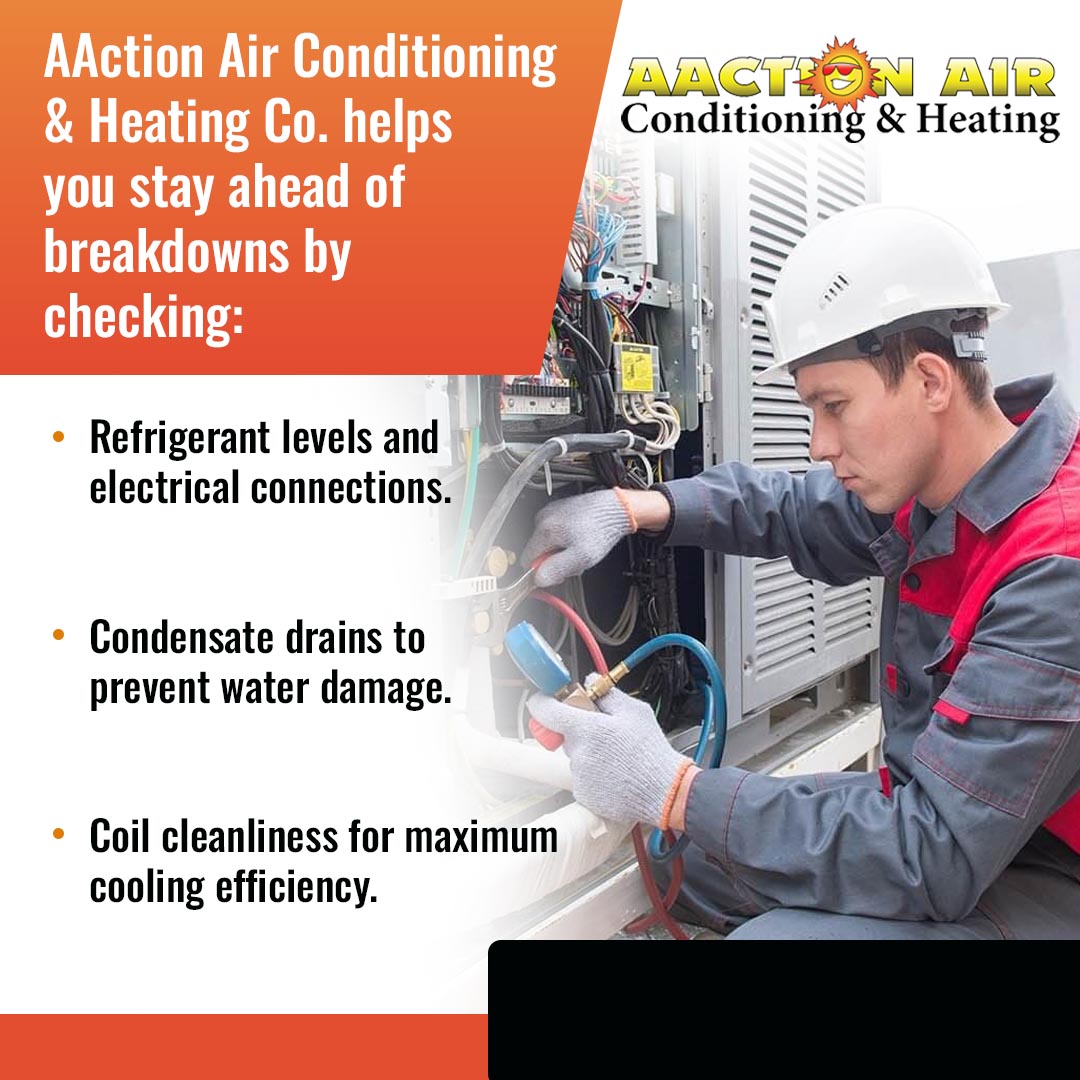
Our NATE-certified technicians work through a comprehensive maintenance checklist covering the complete system. A professional AC inspection typically includes:
- Checking refrigerant pressures and temperatures
- Inspecting electrical connections and components
- Testing the capacitor and amp draw readings
- Rinsing the condenser coil
- Clearing and inspecting the condensate drain line
- Confirming thermostat calibration
- Checking duct connections for leakage
- Inspecting the indoor coil
- Measuring supply and return air temperature difference
Preventive HVAC maintenance and emergency repair serve different purposes. Maintenance catches wear before a failure occurs. An emergency call addresses a system that has already stopped working. Consistent preventive service is what reduces the need for unplanned, costly emergency calls during the hottest weeks of the year.
What Can I Do at Home Before Calling a Technician?
Basic visual checks are within reach for most homeowners, but refrigerant work and electrical diagnostics require a licensed HVAC technician. If anything looks or sounds off after your own checks, scheduling a professional cooling system inspection is the right next step.
Before calling, you can safely do the following:
- Replace the air filter. This is the single most impactful thing a homeowner can do between professional visits. A clean filter takes minutes to install and directly protects system efficiency.
- Clear the area around the outdoor unit. Remove leaves, grass clippings, and debris from around the condenser. Keep at least two feet of clearance on all sides to allow proper airflow.
- Check the thermostat batteries. Weak or dead batteries cause unreliable cycling and inaccurate temperature readings.
- Note any unusual sounds. If you hear something out of the ordinary during startup or operation, document it before you call. That detail helps your technician arrive prepared.
You require professional AC repair in Savannah if the system still does not cool after these steps or if you notice the following:
- Ice on the refrigerant lines
- Water pooling near the indoor unit
- An unusual smell from the vents
Do not delay calling in these situations.
How Often Should an AC System Be Serviced in This Region?
At a minimum, once a year. Savannah’s conditions make a strong case for twice-annual service.
ENERGY STAR recommends annual pre-season professional check-ups as a baseline for residential cooling systems. Given the extended cooling season, year-round humidity, and coastal air conditions throughout the greater Savannah area, that baseline is the floor not the ceiling.
Our 12-month service plan is built around this reality. It covers scheduled inspections in both the cooling and heating seasons, a full-season warranty on any repairs we make, priority scheduling, and automatic renewal, so you never have to track it. A month before your plan expires, we reach out to schedule your next visit. For homeowners whose systems run as hard as systems do in coastal Georgia, a preventive maintenance plan is the practical way to stay ahead of problems before they become costly repairs.
When Does Repair Give Way to Replacement?
When a system is 10 to 15 years old and has needed multiple repairs in recent seasons, replacement often makes more financial sense than continued service.
The Minnesota Department of Commerce puts the average lifespan of a central AC system at 15 to 20 years for properly maintained units. Systems that went years without regular service typically fall well short of that range.
Signs that a replacement conversation is worth having:
- Two or more repairs needed within the past two years
- The system uses R-22 refrigerant. U.S. production and import ended January 1, 2020, under EPA regulations, making recharging increasingly difficult and expensive
- Energy bills continue climbing despite recent servicing
- Uneven cooling persists even after maintenance
For homeowners in Pooler, Garden City, Richmond Hill, or Port Wentworth weighing AC replacement in Savannah, the decision comes down to current repair costs versus long-term savings with a properly sized new system. For AC installation in Savannah, we work exclusively with Bryant equipment: heat pumps, central air conditioners, ductless split systems, and dual fuel hybrid systems. As a Bryant Factory Authorized Dealer, we carry products built for this coastal climate and backed by a manufacturer with a long record of dependability. Financing options are available for qualifying installations, so the upfront investment does not have to stand between you and the right system for your home.
What Happens If You Skip a Pre-Season Check?
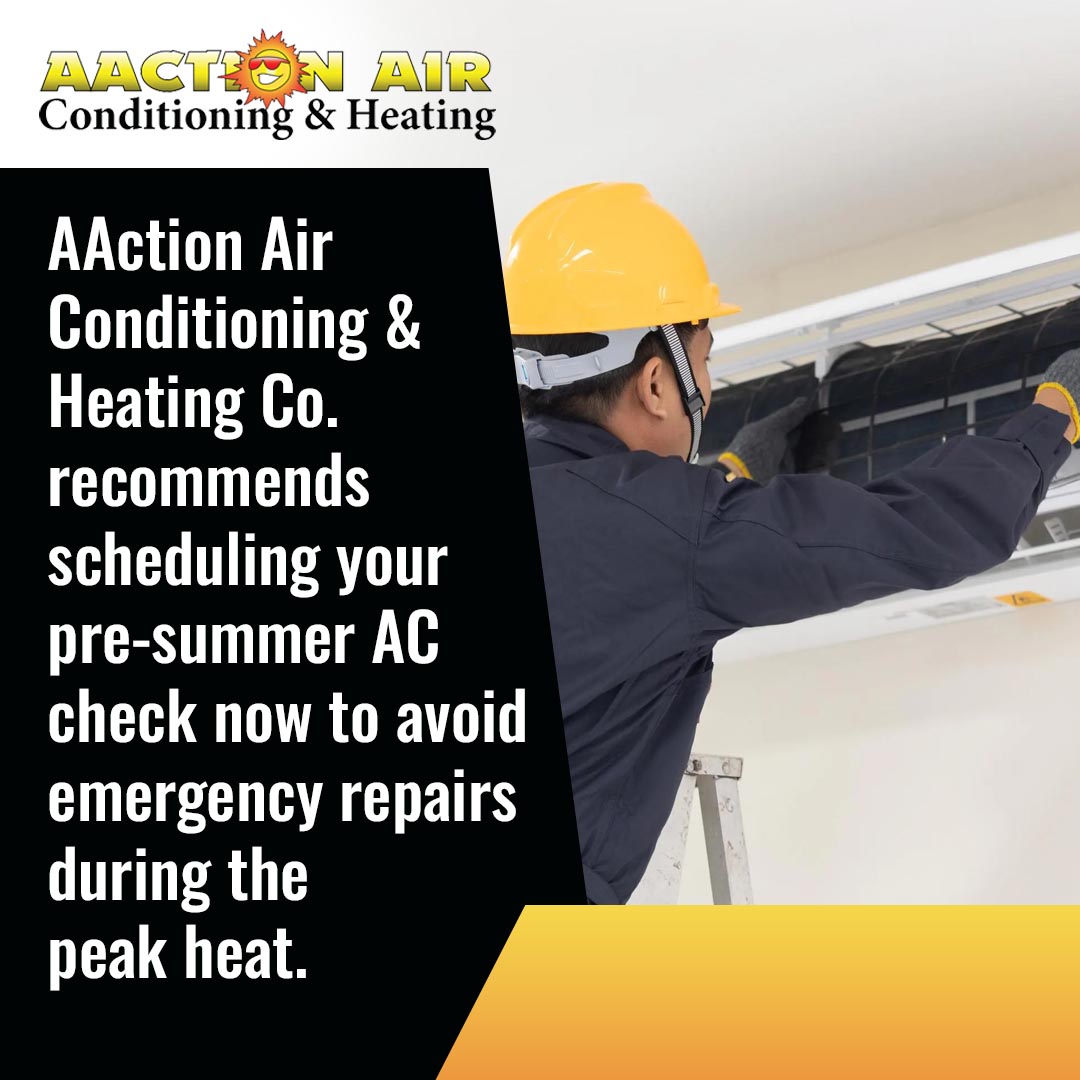
Skipping a pre-season inspection raises the risk of a breakdown during the weeks when getting service quickly is hardest.
Peak demand in Savannah runs from June through August. Emergency calls come first, which means non-emergency repairs get pushed back, sometimes by several days. A situation that would take a day to resolve in March can take a week to address in July.
The first major heat wave of the season puts the most stress on systems that have been idle through winter. Components that were marginal going into the off-season often fail during that initial load surge. Emergency AC repair calls in Savannah spike precisely during those weeks. We are available 24 hours a day, seven days a week, but no homeowner wants to wait out a Savannah summer without cooling when a pre-season visit could have prevented it.
Why Late Winter Is the Smartest Time to Schedule
February and March offer scheduling flexibility, time to source any needed parts, and the best chance of securing an appointment before peak season demand begins.
A system inspected in February that needs a replacement part can be back in full working order well before April. That same situation in June may involve waiting a week for a part to arrive while demand is at its highest.
Homeowners throughout our service area, Thunderbolt, Bloomingdale, Georgetown, Talahi Island, Skidaway Island, The Landings, Dutch Island, and surrounding communities, all face this same seasonal window. Technicians who are available now are often fully booked by May. Scheduling your AC maintenance in Savannah today is the most practical way to protect your comfort and budget through the months ahead.
Is Your AC Ready?
Your system may be running today without any obvious problems. Running and being ready for a long Savannah cooling season are two different things. Short cycling, uneven cooling, rising bills, and unusual noises are early warnings worth acting on before they become a breakdown in the middle of July.
Annual professional service is what keeps a system performing the way it was designed to perform, especially in a climate like ours.
AAction Air Conditioning & Heating Co. has served homeowners across the Savannah area since 1999. Our NATE-certified technicians will assess your system and give you the information you need to make the right call, whether that means a tune-up, a repair, or a replacement.
Call us at (912) 897-2247 or send us an email at james@aactionair.net to schedule your pre-summer AC inspection. If you need an air conditioning contractor in Savannah, Pooler, Richmond Hill, Garden City, Port Wentworth, Wilmington Island, Tybee Island, Rincon, Bloomingdale, Whitemarsh Island, Thunderbolt, Talahi Island, Georgetown, The Landings, Dutch Island, or Skidaway Island, we are available 24/7.