
Savannah’s climate, with long, humid summers and mild winters, makes choosing between a furnace and a heat pump a practical decision based on efficiency and running costs. This article explains how heat pumps and furnaces operate, compares efficiency metrics (HSPF, SEER, AFUE), and translates ratings into seasonal performance for Savannah homeowners. We address balancing upfront costs, year-round cooling needs, and occasional cold snaps with concrete comparisons, cost ranges, and maintenance considerations. You will learn core operational differences, which system uses less energy, installation and maintenance costs, and if a dual fuel (hybrid) approach suits your home. Sections cover technical differences, energy efficiency, localized cost/maintenance, HVAC configurations, incentives, FAQs, and a decision framework to choose the right system and find a reliable heat pump installation service.
What Are the Key Differences Between Heat Pumps and Furnaces?
A heat pump moves heat for both heating and cooling using a refrigerant cycle; a furnace generates heat via combustion or electric resistance, providing heating only. Heat pumps use a compressor and reversing valve; furnaces rely on a burner or electrical elements and a heat exchanger. For Savannah, a heat pump handles most heating and delivers efficient cooling. A furnace offers strong, reliable heat during cold weather. Choice depends on fuel, energy prices, ductwork, and preferences, often starting with a heat pump installation service consultation. Subsections detail each system‘s operation and pros/cons.
How Does a Heat Pump Work in Savannah’s Climate?
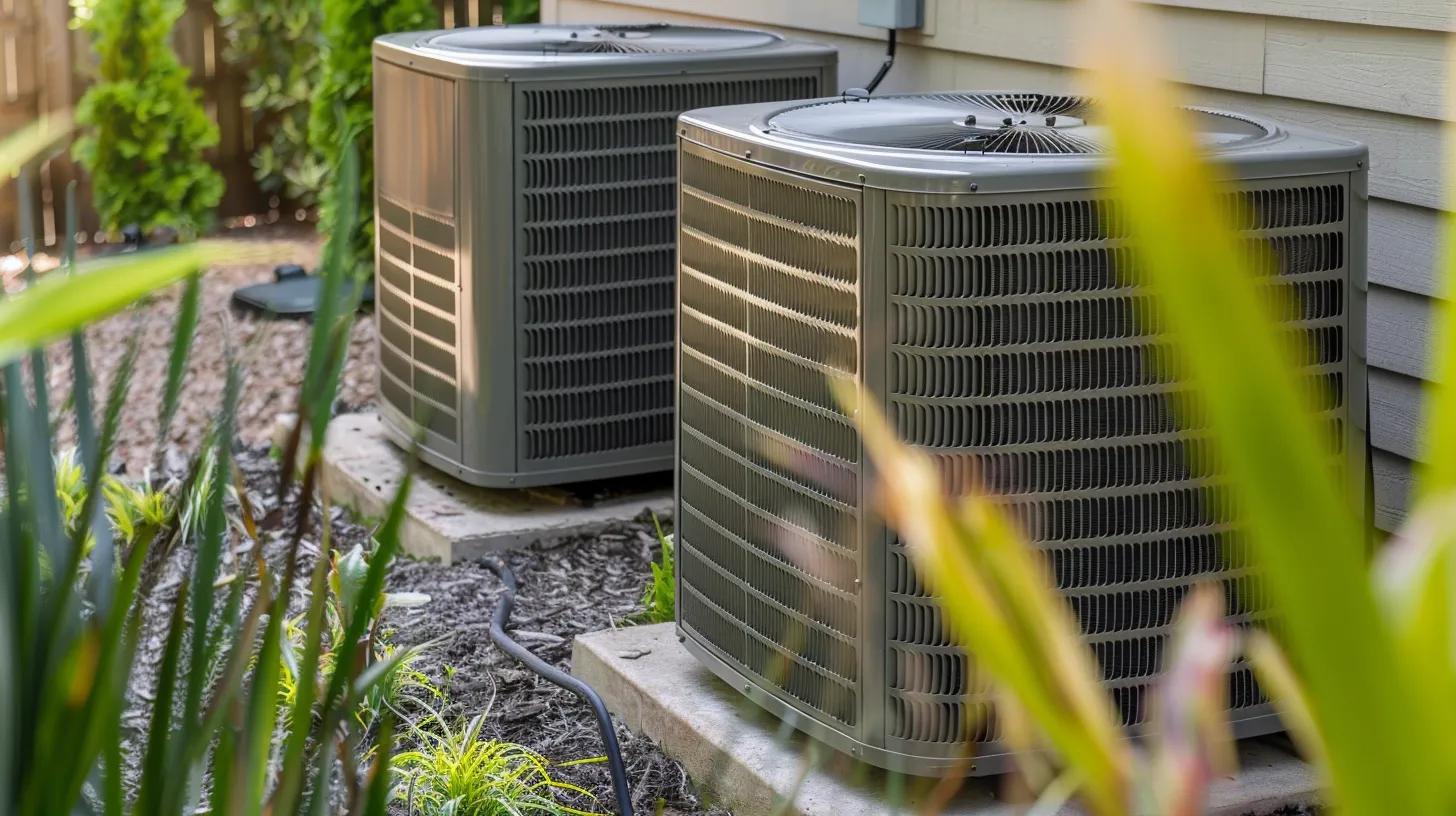
A heat pump extracts heat from outdoor air for winter heating and reverses for summer cooling/dehumidification. Its outdoor compressor and indoor air handler cycle refrigerant. Heat pumps are most efficient in moderate temperatures, aligning with Savannah’s mild winters and long cooling season.

Modern air-source heat pumps with strong HSPF/SEER ratings lower combined bills. Homeowners benefit from single-system maintenance and reduced emissions, making a heat pump installation service attractive. This leads to furnace operation and its potential for backup or existing gas homes.
How Does a Furnace Generate Heat?
A furnace produces heat through natural gas/propane combustion or electric resistance, distributing warm air via ductwork. AFUE measures fuel conversion to heat (80-90s AFUE is common). Furnaces are effective for rapid, high-output heating and tend to have long service lives. For Savannah, a furnace makes sense if homeowners rely on fossil fuel or want robust backup during rare cold snaps. The next section compares efficiency metrics to running costs.
What Are the Pros and Cons of Heat Pumps for Savannah Homeowners?
Which Heating System Is More Energy Efficient for Savannah Homes?
Energy efficiency comparisons use different ratings: HSPF/SEER for heat pumps, AFUE for furnaces. Translating to savings requires local energy prices. Heat pump installation in Savannah, GA delivers multiple units of heat per electrical energy unit in mild climates, often surpassing other options. For Savannah, where cooling dominates, a high-SEER heat pump reduces summer bills while providing efficient winter heat. The table below summarizes typical ranges and practical impacts.
System Type | Common Efficiency Metrics | Typical Range | Practical Impact |
Air-source heat pump | HSPF (heating) / SEER (cooling) | HSPF 8–13; SEER 14–22 | Lower combined heating/cooling costs in mild winters and long cooling season |
Gas furnace | AFUE (annual fuel utilization efficiency) | AFUE 80–98% | Strong heating output; lower fuel use at higher AFUE but no cooling function |
Mini-split heat pump | HSPF / SEER / Zoned control | HSPF 9–14; SEER up to 30 | High efficiency with zoning; ideal for retrofit without ducts |
Heat pumps generally offer better year-round energy efficiency in Savannah, especially with significant cooling loads. The next subsection outlines how heat pump ratings convert into monthly savings.
How Does Furnace Efficiency Compare in Georgia’s Weather?
Furnace efficiency (AFUE) measures fuel conversion to heat; modern gas furnaces reach 90%+ AFUE. In Savannah’s mild winters, furnaces have low annual runtime, so absolute energy savings from high-AFUE units are smaller. If natural gas prices are low, a high-AFUE gas furnace can offer heating cost advantages, but provides no cooling. Pairing efficient cooling with efficient heating or a heat pump yields better total-year savings, a service best provided by an experienced Savannah, GA, heat pump install company.
What Local Incentives and Energy Rebates Are Available for Heat Pumps and Furnaces in Savannah?
Incentive programs include federal tax credits, state rebates, and utility programs, but eligibility changes. Federal credits cover qualifying heat pumps; state/local utilities may offer rebates for high-efficiency equipment or weatherization. Check current federal guidance and local utility pages for criteria. Typical incentive categories and actions:
- Federal tax credits: Verify current energy-efficient home improvement credits for qualifying heat pumps.
- State or utility rebates: Check with electric/gas providers for seasonal rebates or trade-in programs.
- Local financing and programs: Explore low-interest financing or on-bill repayment for upgrades.
To apply effectively, often with assistance from your Savannah, GA, heat pump install company:
- Document equipment specifications: Keep model numbers and efficiency ratings.
- Seek pre-approval where required: Some programs mandate pre-inspection.
- Combine measures: Pair equipment upgrades with insulation or duct sealing.
Government Incentives Support Energy-Efficient HVAC in Georgia?
Government incentives combine federal tax credits and state/utility programs. Consult current federal guidance and Georgia-specific/local utility offerings. Documentation includes manufacturer sheets, proof of purchase, and invoices. Confirm with program administrators for accurate, current details.
How Can Savannah Homeowners Maximize Savings on HVAC Upgrades?
Maximize savings by choosing high-efficiency equipment, bundling upgrades (insulation/ductwork), and applying for rebates/tax credits for your heat pump installation in Savannah, GA. Get multiple bids, request itemized proposals, and confirm rebate eligibility. Consider financing options. Retain all receipts and documentation for applications. These steps maximize combined incentive and operational savings.
What Are the Common Questions Savannah Homeowners Ask About Heat Pumps and Furnaces?
Homeowners frequently ask if heat pumps suit Savannah’s climate, if they outperform furnaces for heating, their typical lifespans, cold-weather disadvantages, and dual fuel operation. Below are targeted Q&A responses.
Are Heat Pumps Good for Savannah’s Hot, Humid Climate?
Yes, modern Savannah, GA, heat pump install company offers efficient cooling and dehumidification in hot, humid climates, plus efficient heating in mild winters. High-SEER units with proper duct design and humidity control manage indoor moisture. Proper sizing and maintenance are critical for dehumidification and lifespan, especially with coastal corrosion. These advantages make heat pump installation in Savannah, GA, a practical fit.
Is a Heat Pump Installation Service Better Than a Furnace for Heating in Savannah?
Often, yes, a heat pump is preferable for many Savannah homes as it covers both heating and cooling efficiently, lowering total annual energy use. The decision depends on local electricity/gas prices, existing gas infrastructure, and priorities. Furnaces may be preferred where gas is cheaper or for purely combustion-based heating. For moderate heating and significant cooling demand, heat pumps usually deliver superior lifecycle efficiency.
What Are the Disadvantages of Heat Pumps in Cold Weather?
Heat pumps lose heating capacity as outdoor temperatures fall, reducing output during cold snaps and sometimes needing supplemental heat or a hybrid system. Efficiency drops as they work harder in colder air, increasing electricity use. Defrost cycles temporarily interrupt heat. Cold-climate models mitigate these effects; dual fuel systems use furnaces as backup.
What Is a Dual Fuel HVAC System and How Does It Work?
A dual fuel system combines a heat pump and a furnace. Control logic switches from the heat pump to the furnace when outdoor temperatures hit a setpoint or when cost-optimization indicates the furnace is more efficient. This automates switching, preserving heat pump efficiency in mild weather and relying on the furnace for higher heat output or lower-cost fuel. It provides efficiency and reliability; proper thermostat configuration is essential.
How Can Savannah Homeowners Choose the Right Heating System for Their Home?
Choosing the right system requires assessing home variables, economic modeling, and professional input: conduct a load calculation, evaluate ductwork/fuel, compare total cost of ownership, and consider incentives/maintenance. Proper sizing prevents inefficiency. A certified technician’s Manual J load and Manual S equipment selection provide data. Below are practical factors, professional consultation value, and vetting guidance.
How Professional HVAC Consultation Help Optimize Your Heating Solution?

A professional Savannah, GA, heat pump install company provides essential diagnostics, Manual J load calculations, Manual S equipment selection, and ductwork assessments, ensuring the system matches the home’s thermal profile. Certified technicians identify issues like undersized ducts or electrical limitations. Documented proposals with itemized scopes, performance specs, and warranties enable comparisons and reduce installation risks, especially for a heat pump installation service. Engaging a reputable contractor simplifies permitting, rebate documentation, and home improvements.